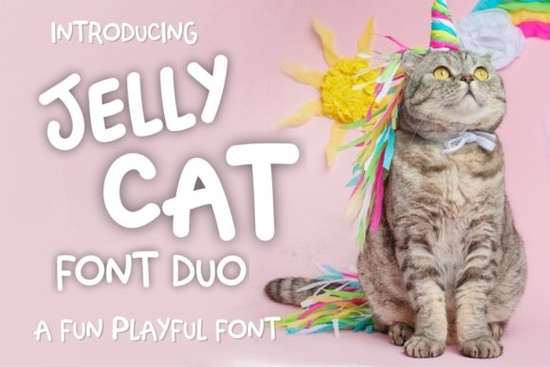
If you’ve been looking for a handwritten font that feels warm, playful, and just a little bit squishy like the plush toy it’s named after Jelly Cat Font might be exactly what your next project needs. It’s got that sweet, friendly bounce in its letterforms that makes it feel personal without being messy. Whether you’re designing greeting cards, branding a small bakery, or whipping up cute SVG files for your Etsy shop, this font adapts naturally without losing its charm.
What sets Jelly Cat apart is how effortlessly it fits into so many different styles. You don’t need to force it into place it just works. The strokes have a relaxed rhythm, like someone wrote them with a thick marker while smiling. That makes it especially useful if you’re creating content for kids’ products, boutique packaging, or social media graphics that need to feel approachable.
Who actually uses fonts like this?
It’s not just for “cute” projects. Small business owners use Jelly Cat Font on product labels because customers respond to handwriting it feels human. Print-on-demand sellers love it for mugs and tote bags since the letters hold up well at larger sizes. Crafters working with Cricut or Silhouette find the spacing predictable and easy to weld or offset. Even wedding stationery designers sometimes sneak it in for casual save-the-dates or rehearsal dinner invites.
And if you’re pairing it with other script fonts? Try Dountyland for contrast their bouncy baseline plays nicely together. Or go softer with Limon Mint if you want everything to feel light and summery.
Does it come with extra characters or ligatures?
Yes and that’s where it gets really useful. Beyond the basic A-Z, you’ll find stylistic alternates, swashes, and multilingual support tucked in. That means you can switch out a few letters to avoid repetition (great for logos) or add a tail to the last letter of a word for flair. There’s even punctuation designed to match the font’s personality curvy quotation marks, playful ampersands, and commas that look like little smiles.
If you’ve ever struggled with fonts that feel “too perfect,” Jelly Cat’s slight irregularities are intentional. They mimic real handwriting, which helps your design feel less robotic. For example, the lowercase “g” has a loop that doesn’t always close the same way just like when you write it by hand.
How does it compare to similar fonts?
It’s got more bounce than Amelline, which leans elegant and thin. It’s less structured than Moretimes, which has sharper terminals and works better for modern minimalism. Jelly Cat sits comfortably in that sweet spot between casual and polished you can dress it up with gold foil or throw it on a kid’s birthday shirt and it still looks right.
One thing to note: because of its thick downstrokes and open counters, it scales beautifully. That’s rare with handwritten fonts many start to look muddy or lose definition when printed small. Jelly Cat holds its shape even at 8pt, which matters if you’re doing ingredient lists, fine print disclaimers, or tiny stickers.
Any tips for using it without overdoing it?
- Pair it with a clean sans-serif. Something like Montserrat or Lato lets Jelly Cat shine without competing.
- Use color to soften the boldness. Try pastels or muted tones instead of black it enhances the friendly vibe.
- Avoid all caps. The charm is in the lowercase flow. Uppercase flattens its personality.
- Stick to short phrases. Headlines, quotes, names, or callouts work best. Long paragraphs? Not its strength.
Also, don’t forget to test kerning manually. Some letter pairs (like “ly” or “ta”) might need a tiny nudge closer together depending on your layout software. Most design programs let you adjust this easily it’s worth the 30 seconds it takes.
Where can I see it in action?
Browse Creative Fabrica’s customer gallery you’ll spot it on baby onesies, cookie packaging, Instagram quote posts, and even chalkboard signs. One seller used it for a line of cat-themed journals (naturally) and said conversion rates jumped because the font “felt like a hug.” Another turned it into a vinyl decal for nursery walls with the phrase “you are my favorite hello.” Simple. Effective. Human.
If you’re still unsure, download the preview file first. Type out your actual project text not just “The quick brown fox” and see how it behaves. Does it match the tone you’re going for? Does it pair well with your brand colors? Sometimes the best test is just seeing it live.
Quick checklist before you buy:
- ✅ Check if your software supports OpenType features (for alternates and ligatures)
- ✅ Confirm commercial license covers your intended use (POD, merch, client work, etc.)
- ✅ Test readability at your smallest intended size
- ✅ Try pairing it with one neutral font and one accent font from your collection
Fonts like this aren’t about trends they’re tools that help you connect. If your audience values warmth, authenticity, or a touch of whimsy, Jelly Cat gives you an easy way to deliver that without overthinking it.
Explore Design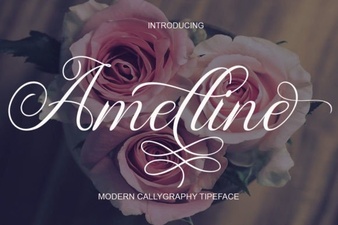 Amelline Font: Elegance for Creative Projects
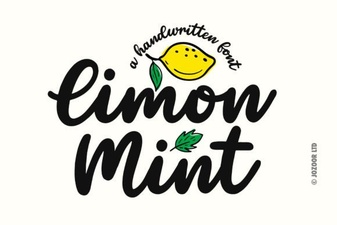 Design with Limon Mint Font: Style & Functionality
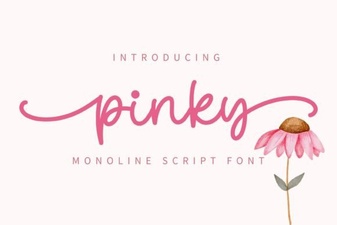 Create Designs with Pinky Font
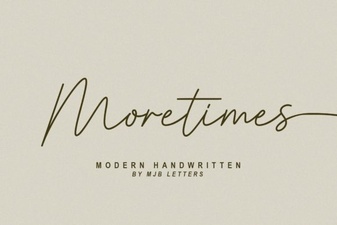 Moretimes Font for Creative Design Projects
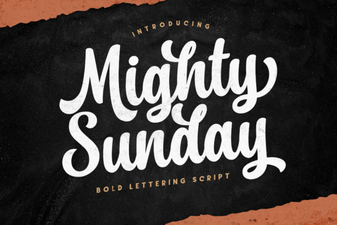 Design Your Sunday with the Mighty Font
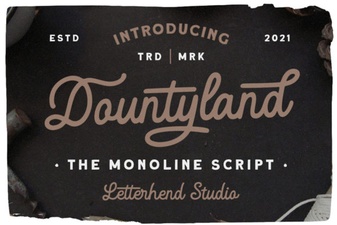 Dountyland Font: Creative Designs & Usage Guide